Program
Connect, learn, and shape the future of industry and energy
CATALYZE applies 145 years of ASME leadership in engineering, R&D, and standards development to explore how we will build, fund, and scale the next industrial revolution. The program centers on three focus areas: energy, industrial transformation, and advanced manufacturing.
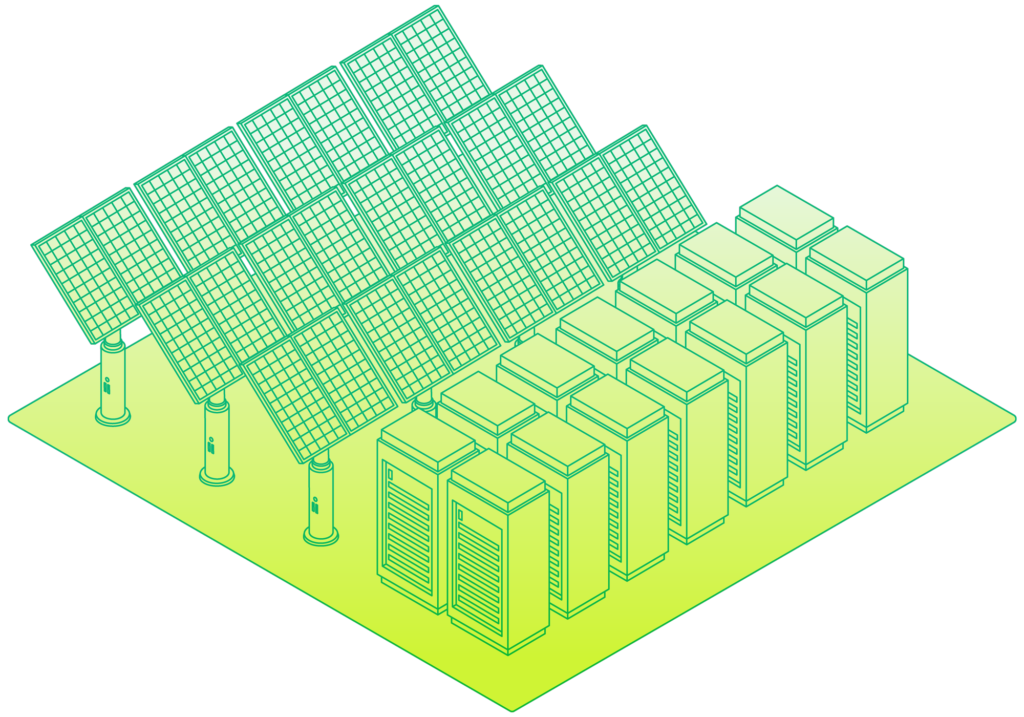
Engineering to meet energy demand
Deploying and scaling up affordable, resilient, and low carbon energy systems to meet rising load.
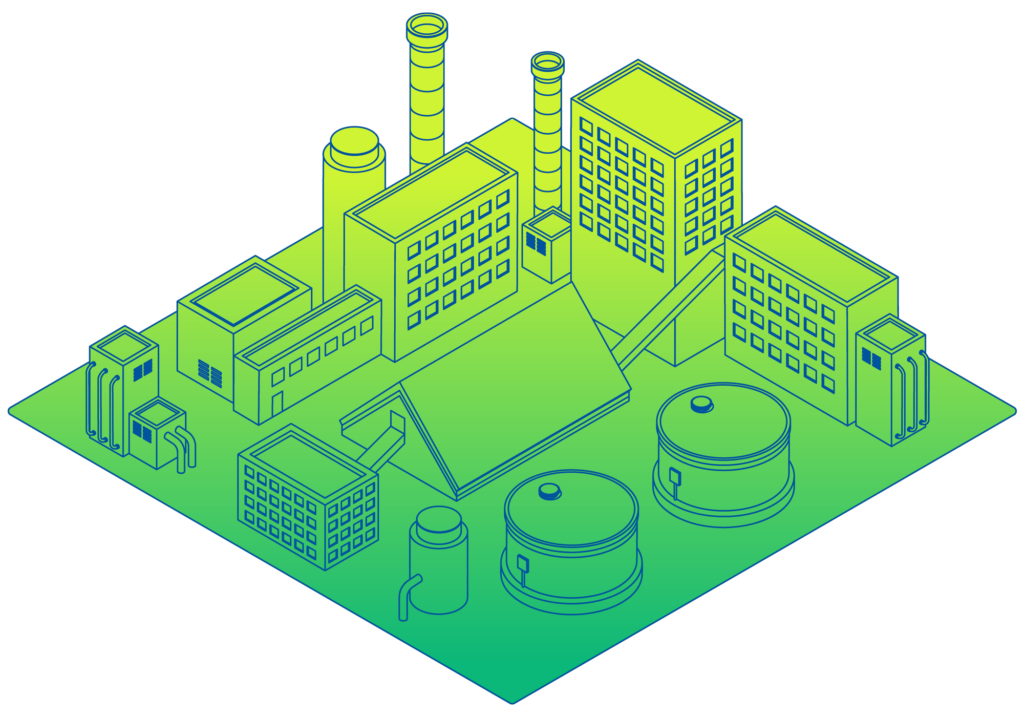
Paths for industrial transformation
Advancing energy efficiency, electrification, and low carbon energy usage at all stages of operation.
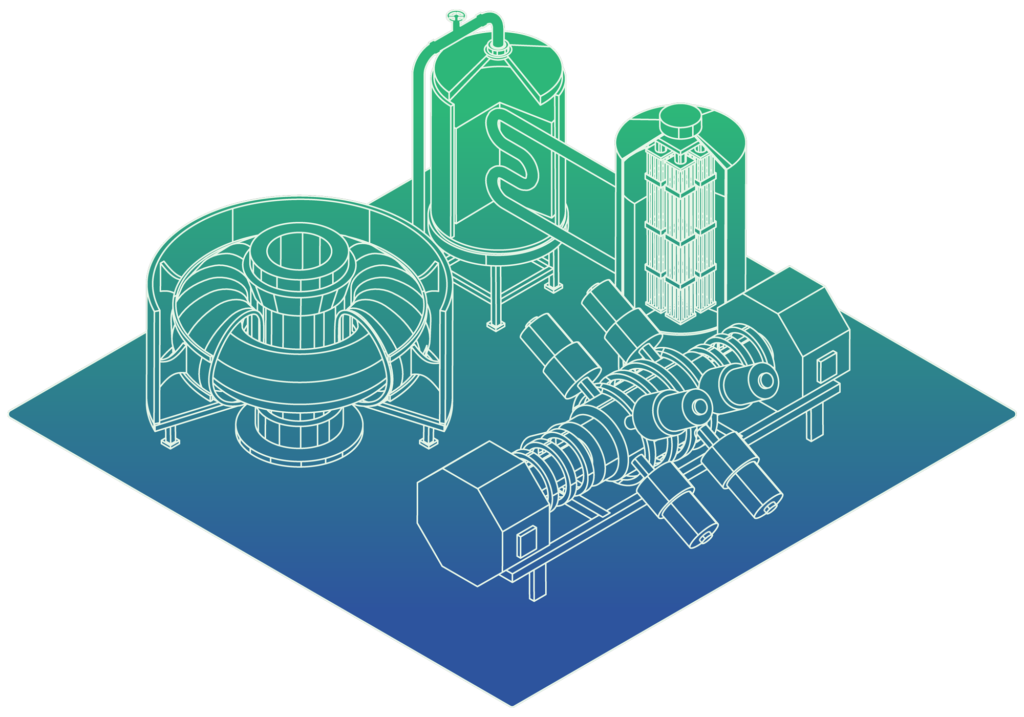
Unleashing advanced manufacturing
Enabling digital and next-generation design and manufacturing technologies for innovation and efficiency at scale.
Cross cutting themes:
From Talk to Action
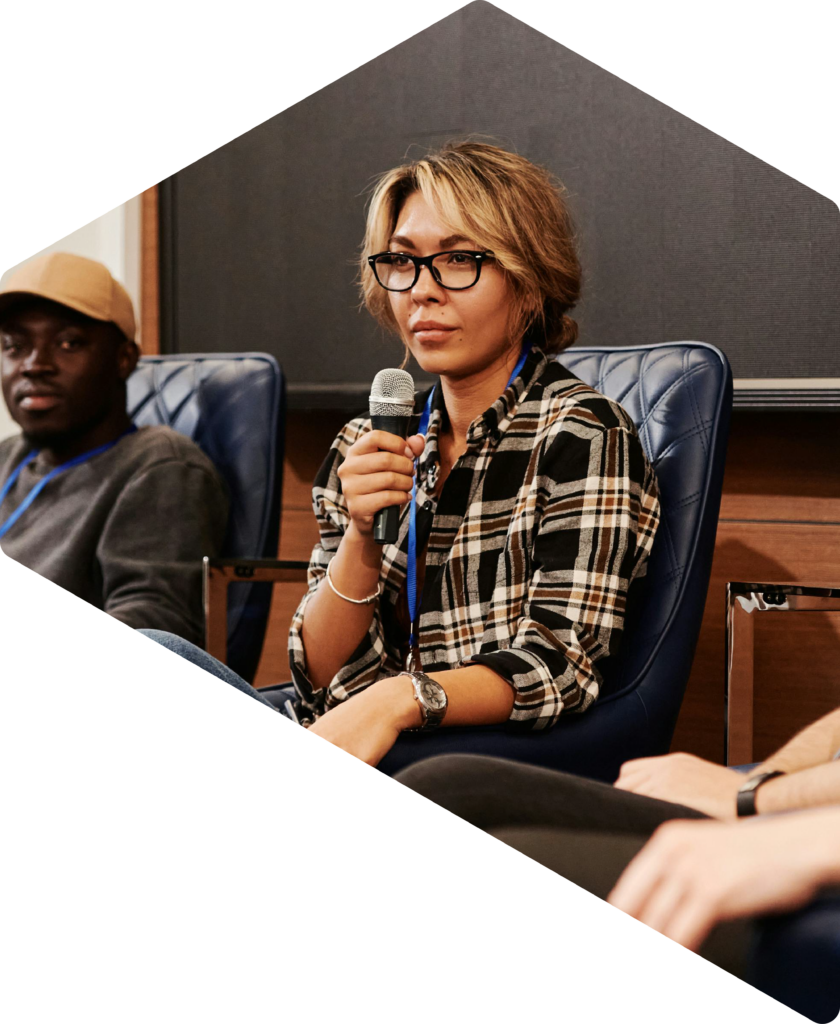
CATALYZE will feel different from a traditional academic or industry conference, moving beyond typical panels and presentations to deeper engagement formats that facilitate partnership and problem solving.
Interactive sessions like roundtables, workshops, and demos will bridge perspectives between the engineers who design solutions and the enablers that scale them. The program embraces tough questions and tradeoffs around issues like affordability, risk, standardization, and speed of deployment. Our goal: to accelerate next-generation industrial and energy solutions in the real world, not in theory.
Program Tracks and Sessions
Powering Growth
Deploying and scaling up affordable, resilient, and low carbon energy systems to meet rising load.
Sessions (subject to change) include:
Powering the AI Economy: How Increasing Power Needs are Redefining Data Center Engineering
This session examines how facility developers and operators are choosing power architecture, cooling systems, and modular build strategies that can materially reduce energy intensity, manage grid constraints, and balance speed, reliability, and decarbonization as AI workloads continue to surge.
How Can New Nuclear Designs Actually Deploy?
This session focuses on the engineering, manufacturing, and licensing decisions that most effectively derisk first-of-a-kind builds, clarifying what must be standardized, industrialized, and proven to get new nuclear units online on credible schedules and cost.
Solar Beyond 25%: Is Further Cost Reduction a Materials Problem or a Systems Problem?
This session explores whether the next wave of cost and scale gains will come from new materials and tandem cells, or from system-level engineering advances in installation, tracking, and balance-of-system optimization that ultimately determine deployment speed and total cost.
Nextgen Geothermal: How Can Subsurface Engineering Unlock 100X Scale?
This session explores enhanced geothermal systems, closed-loop designs, advanced drilling methods, and AI-enabled subsurface mapping, focusing on what must be engineered and proven to advance from limited one-off demonstration projects to repeatable, high-confidence deployment at scale.
Fusion Energy: From Breakthroughs to the Grid and When Commercial Success Will Arrive
This session examines how today’s engineering approaches across materials, components, system design, and planned maintenance can manage unresolved plasma behavior, extreme heat, and neutron loads well enough to enable the first commercial fusion deployment in the coming years.
Geologic Hydrogen: The Promise of Low-Carbon Energy
This session will examine the engineering complexities of subsurface hydrogen recovery, including reservoir characterization, drilling technologies, and contamination risks, alongside the cost implications of scaling these solutions. We’ll tackle the hard question: If hydrogen exists underground, why is commercial extraction still so uncertain and what breakthroughs are needed to make it viable?
LDES Without Illusions: Where Can Non-Lithium Technologies Actually Win?
This session examines where non-lithium LDES can realistically compete, how large those market niches are, and whether they’re durable or policy-dependent. Technology developers, policy experts, and financiers will discuss which customer segments will pay for supply chain security, how tariffs and tax credits reshape competitive dynamics, and whether project capital will flow before policy durability becomes clear.
Industry Reimagined
Advancing energy efficiency, electrification, and low carbon energy usage at all stages of operation.
Sessions (subject to change) include:
Electrify Now? Industrial Heat at the Edge of Cost Competitiveness
This session examines technologies that fit across temperature ranges, integration and retrofit constraints, and how engineers validate performance and reliability while providing a grounded view of where electrification works now, where hybrid solutions make sense, and where enabling infrastructure remains the limiting factor.
Engineering the Path to Next-Generation Steel
This session examines how process design, energy integration, and manufacturing choices shape the competitiveness of low-carbon steel, highlighting what must be engineered and demonstrated for these solutions to win in real, high-specification markets.
The Industrial Tug-of-War: Syncing High-Efficiency Loads with Decentralized Power
This session explores the engineering friction that arises when modern distributed resources meet traditional industrial equipment, highlighting challenges such as motor oversizing, integrating variable-speed drives, managing high startup-current demands in islanded systems, and using controls to preserve efficiency gains over time.
Digital Twins vs. Physical Testing: When Models Help and When They Hurt
This session explores when simulation truly accelerates progress and when it becomes an expensive detour that fails to surface critical unknowns. Attendees will learn how leading teams balance modeling and physical testing to build credibility and avoid common pitfalls that slow capital deployment.
Beyond the Audit: Building Real-Time Energy and Emissions Intelligence for Industrial Decarbonization
This session explores how manufacturers can build trusted, actionable data systems that reveal system-level opportunities, integrate insights into plant workflows, and drive measurable efficiency and emissions reductions.
Physical AI to Unlock Energy and Operational Efficiency
This panel will explore how organizations are using Physical AI to reduce energy consumption, improve operational efficiency, and increase resilience while maintaining safety, trust, and human oversight.
The EPC Cost Crisis: Can EPCs Evolve Fast Enough?
This session examines the evolving landscape of project delivery, exploring how traditional EPC models can adapt alongside emerging approaches such as modularization, owner-engineer partnerships, and software-enabled tools.
Next-Gen Manufacturing
Enabling digital and next-generation design and manufacturing technologies for innovation and efficiency at scale.
Sessions (subject to change) include:
Why Investment in Hardware is Lagging; How to Unlock Capital to Scale
This session demystifies what capital providers actually need to see: yield, uptime, QA escape rates, commissioning repeatability—and why pilot success doesn’t always translate into bankability.
Where are Novel Manufacturing Processes Changing Things
This session explores when technologies like 3D printing enable advantages such as part consolidation, rapid iteration, complex geometries, and supply-chain resilience, and where traditional methods still outperform on throughput and cost.
Hard Tradeoffs in Sustainability for Product Design and Performance
This session highlights real tensions—like emissions vs. cost or material changes vs. durability—and how teams evaluate and communicate these compromises under uncertainty.
De-Risking Manufacturing Ramp: Which Tools Actually Make a Difference?
This session breaks down which software tools genuinely accelerate yield learning, root-cause analysis, and change control, and which ones merely add reporting overhead without reducing risk.
Engineering Supply Chains That Can Survive Ramp, Shock, and Scale
This session explains how design decisions related to supplier flexibility, qualification strategies, vertical integration, and manufacturing architectures influence supply-chain robustness long before procurement becomes involved.
The Great Race for Critical Minerals: Translating Policy Ambitions into Catalytic Projects
This session brings together experts and innovators working across the critical-minerals value chain, from AI-enabled exploration and next-generation extraction and refining to rare-earth recovery and magnet recycling, to explore where engineering innovation can resolve bottlenecks.
Can GenAI Solve Manufacturing’s Downtime Challenge?
Join industry leaders as they discuss how AI-powered root cause analysis is helping manufacturers unlock insights from decades of operational data, reduce downtime costs, and improve overall plant performance.
Future Workforce
Developing skilled talent pipelines and training pathways aligned to real deployment timelines and emerging technical needs.
Sessions (subject to change) include:
Building Nuclear Workforce Readiness for the Next Generation
This session examines where critical skill gaps are emerging across new nuclear design, manufacturing, construction, commissioning, and operations, and how training and workforce strategies can be sequenced to match real build schedules.
Powering the Clean Energy Transition Through Apprenticeships
This session examines how hands-on training can align electricians, HVAC technicians, plant operators, welders, pipefitters, industrial controls specialists, and energy technicians with real project needs, accelerating workforce transitions and improving project feasibility.
Keeping the Faith: Timing Workforce Programs to Real Projects and Real Jobs
This session examines how to design demand-driven, engineering-aligned workforce programs that map skills development to verified job needs, hiring windows, and system-level requirements. Attendees will leave with practical principles for aligning training to real projects and avoiding “training-to-nowhere” outcomes.
The Industrial AI Skills Teardown
This session breaks down the skills that truly matter in AI-augmented operations and offers practical guidance for educators and employers on preparing engineers for production-grade AI deployment. As AI moves from demonstrations to real manufacturing environments, engineers must strengthen the fundamentals on systems integration, data interpretation, and failure-mode analysis that could make AI tools more effective rather than relying on surface-level “AI literacy.”
Engineering Across Boundaries: Credentials, Competence, and Talent Mobility
This session examines how employers can better recognize transferable skills, which credentials actually signal competence, and what can make it easier for engineers to move across industries. Using real transition pathways, the discussion will explore how employers, educators, and professional societies can build a more flexible engineering workforce without compromising technical rigor.
Training for Unknown Loads: Building the Next Engineering Workforce for Future Industries
This fireside chat brings together industry and education perspectives to examine how engineering expertise can be built faster—from recruiting adjacent-industry talent and transferring know-how to hands-on training, employer-university partnerships, and new models for developing systems thinking and manufacturing readiness.
Sponsors and Exchange
We’re seeking strategic collaborators who bring insights, networks, and leadership to help us shape a new kind of convening. Together, we’ll create an event platform and community that advances real solutions, strengthens industry collaboration, and makes a lasting impact.
Join the community building the next industrial revolution.