Program
Transforming energy and industry
CATALYZE applies 145 years of ASME leadership in engineering, R&D, and standards development to explore how we will build, fund, and scale the next industrial revolution. The program centers on three focus areas: energy, industrial transformation, and advanced manufacturing.
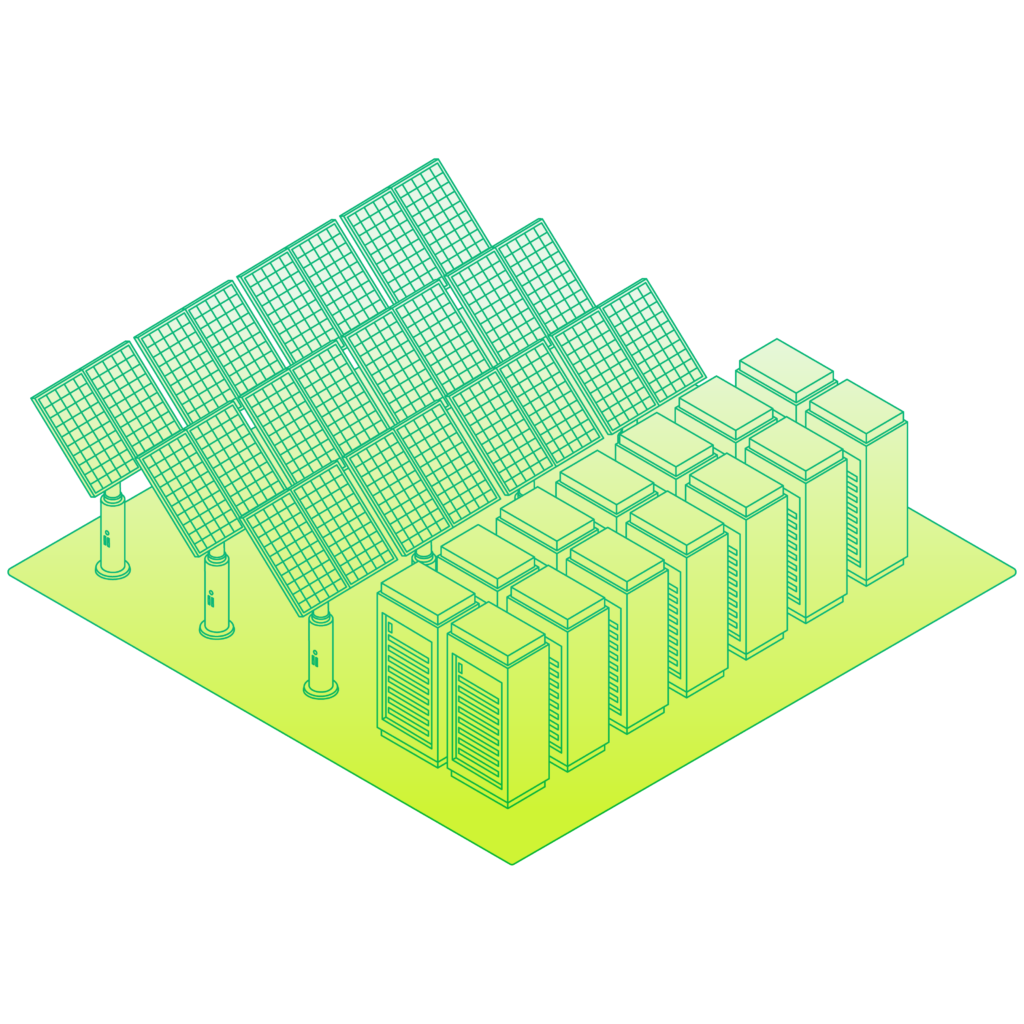
Engineering to meet energy demand
Deploying and scaling up affordable, resilient, and low/zero carbon energy systems to meet rising load.
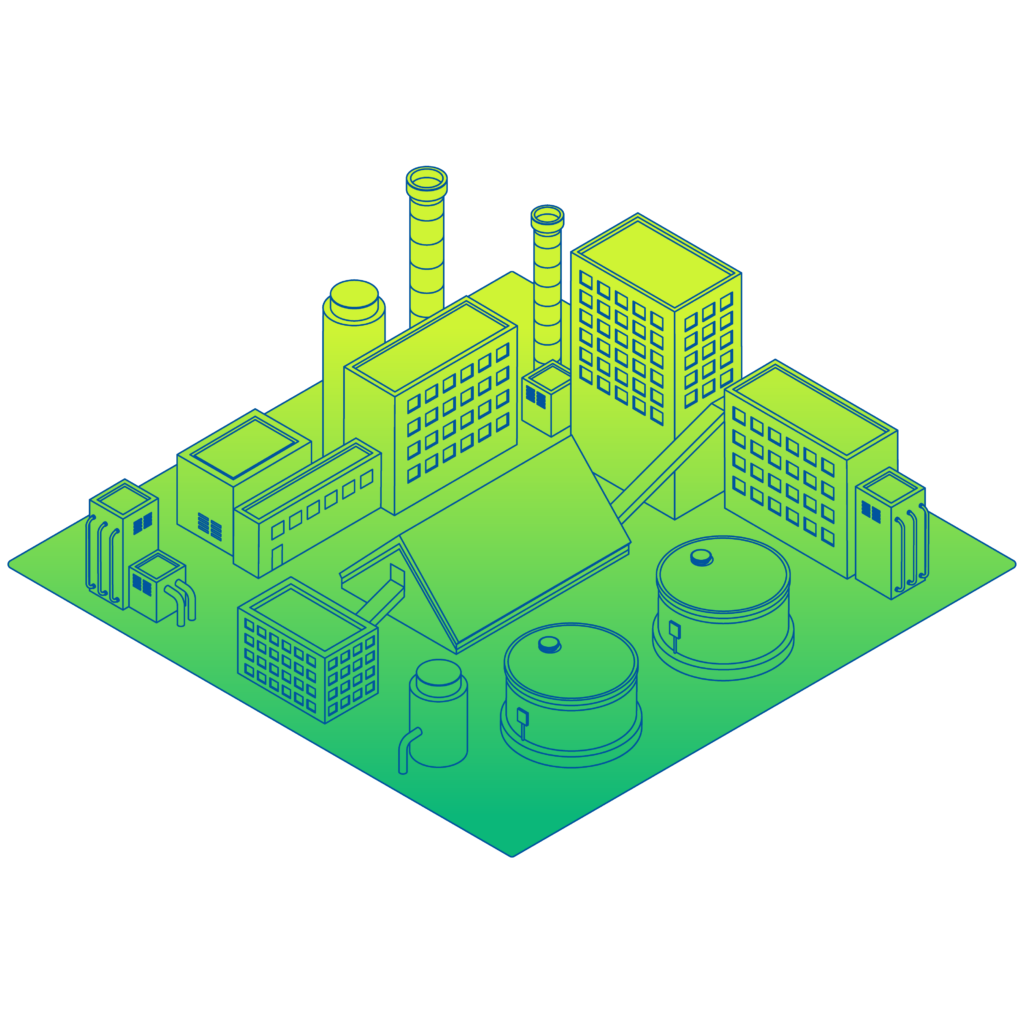
Paths for industrial transformation
Advancing energy efficiency, electrification, and low/zero carbon energy usage at all stages of operation.
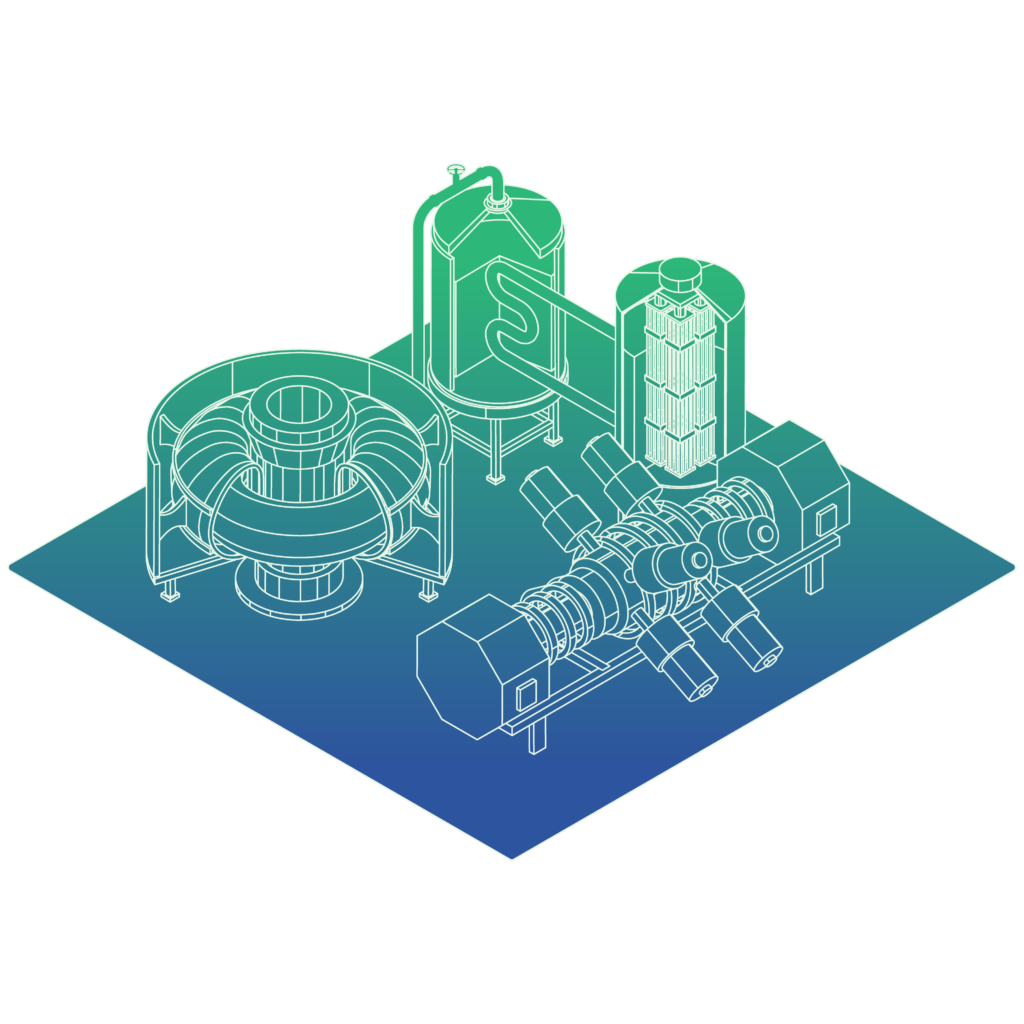
Unleashing advanced manufacturing
Enabling digital and next-generation design and manufacturing technologies for decarbonization and innovation at scale.
Cross cutting themes:
Cross cutting themes:
Engineering to
meet energy demand
Deploying and scaling up affordable, resilient, and low/zero carbon energy systems to meet rising load.
Paths for
industrial transformation
Advancing energy efficiency, electrification, and low/zero carbon energy usage at all stages of operation.
Unleashing
advanced manufacturing
Enabling digital and next-generation design and manufacturing technologies for decarbonization and innovation at scale.
From Talk to Action
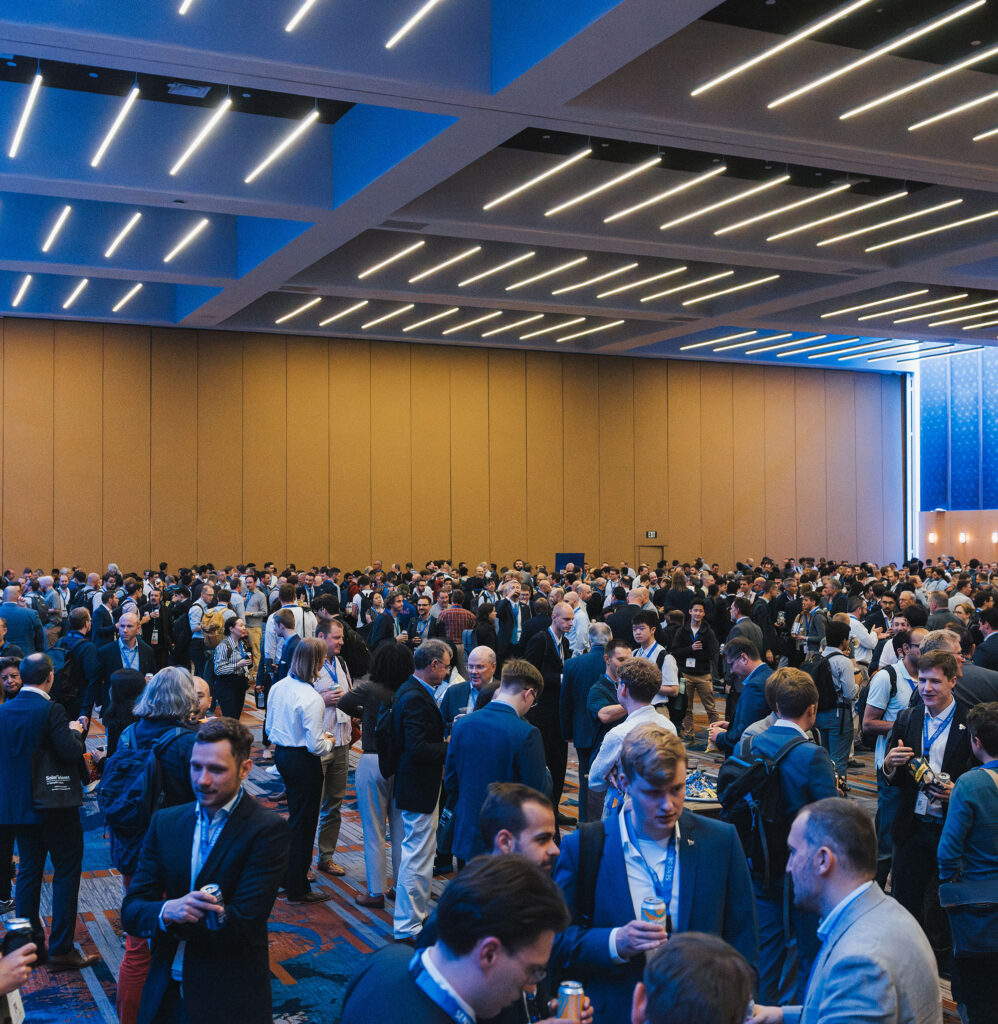
CATALYZE will feel different from a traditional academic or industry conference, moving beyond typical panels and presentations to deeper engagement formats that facilitate partnership and problem solving.
Interactive sessions like roundtables, workshops, and demos will bridge perspectives between the engineers who create solutions and the enablers that scale them. Every session will embrace the tough questions and tradeoffs—around issues like affordability, risk, standardization, and speed of deployment—to drive toward real decarbonization solutions.
Program Tracks and Sessions
Note: The tracks as well as session titles and descriptions are subject to change.
Powering Growth
Powering the AI Economy: How Increasing Power Needs are Redefining Data Center Engineering
AI driven data centers are scaling faster than grid infrastructure and traditional design assumptions can support, shifting the challenge from forecasting demand to engineering around it. This session examines how facility developers and operators are choosing power architecture, cooling systems, and modular build strategies that can materially reduce energy intensity, manage grid constraints, and balance speed, reliability, and decarbonization as AI workloads continue to surge.
How Can New Nuclear Designs Actually Deploy?
Capital and creativity are flowing into SMR and microreactors designs. However, deployment is being constrained and some factors are by fuel availability, component manufacturability, and qualification timelines to validate design innovation. This session focuses on the engineering, manufacturing, and licensing decisions that most effectively derisk first‑of‑a‑kind builds, clarifying what must be standardized, industrialized, and proven to get new nuclear units online on credible schedules and cost.
Solar Beyond 25%: Is Further Cost Reduction a Materials Problem or a Systems Problem?
As solar cell efficiencies approach and in some cases exceed 25%, the key question shifts from record‑setting performance to real‑world deployment economics. This session explores whether the next wave of cost and scale gains will come from new materials and tandem cells, or from system‑level engineering advances in installation, tracking, and balance‑of‑system optimization that ultimately determine deployment speed and total cost.
Nextgen Geothermal: Can Subsurface Engineering Unlock 100X Scale?
Geothermal energy is often seen as limited by geology, but breakthroughs in subsurface engineering, sensing, and drilling may redefine how scalable the resource can be. This session explores enhanced geothermal systems, closed-loop designs, advanced drilling methods, and AI‑enabled subsurface mapping, focusing on what must be engineered and proven to advance from limited one‑off demonstration projects to repeatable, high‑confidence deployment at scale.
Industry Reimagined
Electrify Now? Industrial Heat at the Edge of Cost Competitiveness
Industrial heat is one of the toughest decarbonization challenges, and the real question is which electrification technologies can meet today’s uptime, quality, and cost requirements in operating facilities. This session examines technologies that fit across temperature ranges, integration and retrofit constraints, and how engineers validate performance and reliability while providing a grounded view of where electrification works now, where hybrid solutions make sense, and where enabling infrastructure remains the limiting factor.
Decarbonizing Steel: Engineering the Path to a Low-Carbon Materials Future
As demand for low‑carbon materials grows, the central question is whether emerging steelmaking pathways can meet the performance, volume, reliability, and cost requirements of sectors like automotive and heavy manufacturing without relying on premiums or policy support. This session examines how process design, energy integration, and manufacturing choices shape the competitiveness of low‑carbon steel, highlighting what must be engineered and demonstrated for these solutions to win in real, high‑specification markets.
Beyond “FOAK”: Engineering for the 10th, 100th, and 1,000th Unit
Engineering teams often over‑optimize first‑of‑a‑kind (FOAK) designs and delaying the path to scale. This session reframes “good engineering”by focusing on repeatability, manufacturability, and iteration speed while highlighting why accepting lower early performance can ultimately accelerate progress toward the 10th, 100th, and 1,000th unit. Attendees will explore how high‑performing teams structure testing, tooling, standards, and QA gates to iterate rapidly without compromising safety, reliability, or credibility.
Next-Gen Manufacturing
The EPC Cost Crisis: Can EPCs Evolve Fast Enough?
EPCs face mounting pressure from cost escalation, extended schedules, and heightened risk – challenges that intensify when deploying early-stage technologies at scale. This session examines the evolving landscape of project delivery, exploring how traditional EPC models can adapt alongside emerging approaches such as modularization, owner-engineer partnerships, and software-enabled tools. Industry leaders will discuss the engineering maturity requirements for successful EPC execution, identify which project characteristics best suit different delivery models, and share practical strategies for reducing cost and schedule risk across the full spectrum of energy infrastructure projects.
Why Investors Won’t Fund Hardware and How to Unlock Capital to Scale
Investors often hesitate to fund hardware not because of finance gaps, but because of unaddressed engineering risks that are hard to underwrite. This session demystifies what capital providers actually need to see—yield, uptime, QA escape rates, commissioning repeatability—and why pilot success doesn’t directly translate into bankability. Attendees will learn how to structure testing, data, and validation programs that reduce perceived risk and unlock the funding needed to scale.
Where are novel manufacturing processes changing things?
Novel manufacturing processes, especially additive manufacturing, are reshaping where industry can win on cost, speed, flexibility, and sustainability. This session explores when technologies like 3D printing enable advantages such as part consolidation, rapid iteration, complex geometries, and supply‑chain resilience, and where traditional methods still outperform on throughput and cost. Attendees will gain a practical framework for evaluating when novel processes deliver real competitive value and how they influence scale‑up, QA, and production strategy.
Future Workforce
Building Nuclear Workforce Readiness for the Next Generation
The greatest workforce risk facing new nuclear deployment is not lack of interest, but misalignment between project timelines and talent pipelines. This session examines where critical skill gaps are emerging across new nuclear design, manufacturing, construction, commissioning, and operations, and how training and workforce strategies can be sequenced to match real build schedules. Attendees will gain a clear view of what roles will be most constrained and how to build credible, right‑sized pipelines without over‑ or under‑training ahead of demand.
Powering the Clean Energy Transition Through Apprenticeships
Apprenticeships are a critical pathway for building the skilled workforce needed to deploy clean energy at scale—especially across electrical, mechanical, controls, and subsurface roles. This session examines how hands‑on training can align electricians, HVAC technicians, plant operators, welders, pipefitters, industrial controls specialists, and energy technicians with real project needs, accelerating workforce transitions and improving project feasibility. Attendees will gain practical insight into designing scalable apprenticeship pathways that connect today’s and tomorrow’s skilled labor to the clean energy transition.
Keeping the Faith: Timing Workforce Programs to Real Projects and Real Jobs
Workforce programs fail when training is decoupled from engineering realities—project schedules, design maturity, permitting timelines, and construction sequencing—eroding trust with both workers and employers. This session examines how to design demand‑driven, engineering‑aligned workforce programs that map skills development to verified job needs, hiring windows, and system‑level requirements. Attendees will leave with practical principles for aligning training to real projects and avoiding “training‑to‑nowhere” outcomes.
Sponsors and Exchange
We’re seeking strategic collaborators who bring insights, networks, and leadership to help us shape a new kind of convening. Together, we’ll create an event platform and community that advances real solutions, strengthens industry collaboration, and makes a lasting impact beyond 2026.
Join the community building the next industrial revolution.